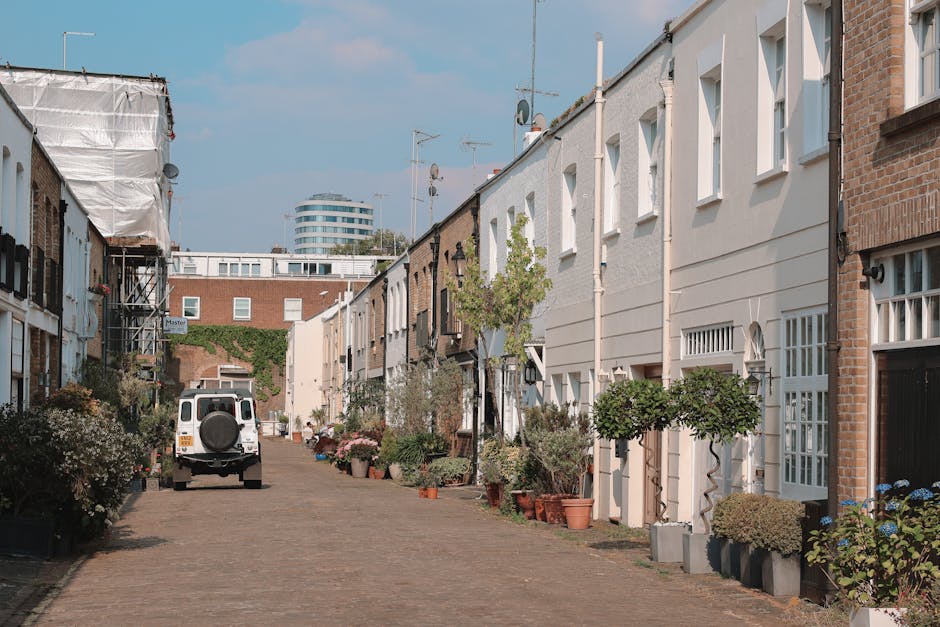
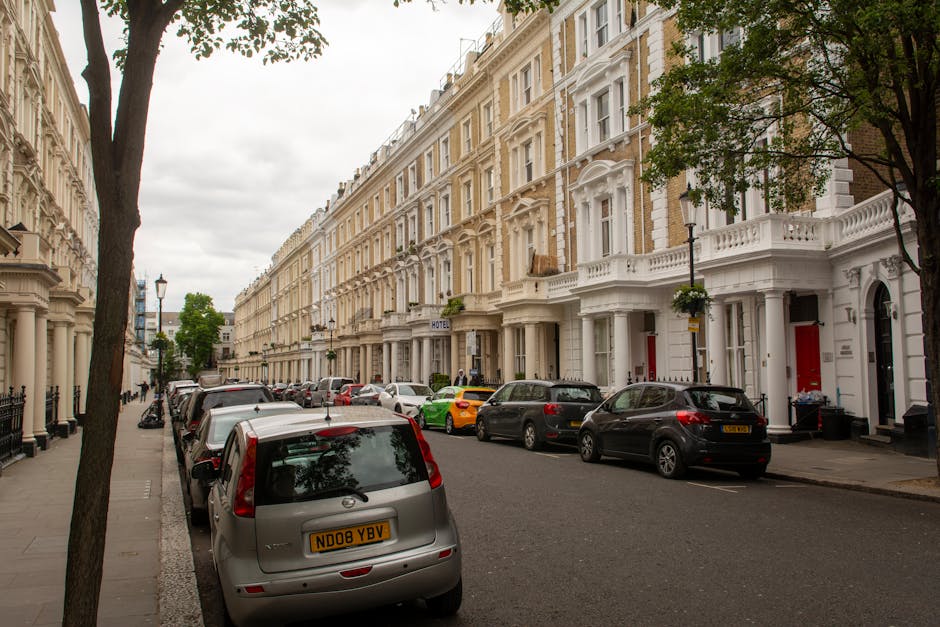
Best gardeners for Victorian terraces on Bethnal Green Road E2
Victorian terraces have a charm that never really goes out of style. But if you live on Bethnal Green Road E2, you'll also know they can be a bit of a puzzle: narrow rear gardens, mixed light, overlooked spaces, tired brickwork, and planting beds that seem to fight back by Thursday. Finding the best gardeners for Victorian terraces on Bethnal Green Road E2 is not just about keeping things tidy. It's about understanding the structure, character, and everyday realities of terrace gardens in east London.
This guide breaks down what good terrace gardening looks like, how the right team approaches compact urban spaces, and what to look for if you want a garden that feels calm, practical, and genuinely lived in. Whether you need regular upkeep, a one-off refresh, or help reshaping a tricky back garden, you'll find useful, no-nonsense advice here. And yes, a little local reality too - because a London terrace in late spring can look lovely one day and then suddenly need urgent weeding, trimming, and a bit of rescue work the next.
Table of Contents
- Why this matters for Victorian terraces on Bethnal Green Road E2
- How terrace gardening services usually work
- Key benefits and practical advantages
- Who this is for and when it makes sense
- Step-by-step guidance
- Expert tips for better results
- Common mistakes to avoid
- Tools, resources and recommendations
- Law, compliance, standards and best practice
- Options, methods and comparison table
- Case study or real-world example
- Practical checklist
- Conclusion
- Frequently asked questions
Why this matters for Victorian terraces on Bethnal Green Road E2
Victorian terraces are rarely simple gardens. They often combine a narrow footprint, old boundary walls, mature shade, awkward access, and soil that has had decades of use, disturbance, or neglect. On Bethnal Green Road E2, there's also the usual London mix of privacy concerns, noise, pavement grit, and unpredictable microclimates between buildings. The result? A space that can feel too small for grand landscaping but too valuable to leave unmanaged.
That's why the best gardeners for this type of property are rarely the ones who just "do a bit of everything". You want someone who understands small-space planning, seasonal maintenance, terrace-scale planting, and the practicalities of working in tight access conditions. Good gardeners don't simply mow and tidy; they shape the garden so it works with the house.
For many terraces, the garden is also the only outdoor room. That means decisions about planting, hard landscaping, shade, screening, and layout really matter. A misplaced shrub can block light into the kitchen. A poor hedge choice can create endless maintenance. And an over-complicated border can make a tiny plot feel even smaller. To be fair, that's where experience earns its keep.
Expert summary: Victorian terrace gardens reward careful, space-aware gardening. The best results usually come from a balance of tidy structure, resilient planting, and maintenance that fits real urban life rather than an idealised brochure garden.
If you're still figuring out what your garden needs, it can help to start with a broader service overview such as gardening services for London homes or routine upkeep like ongoing garden maintenance. Those pages are useful if you want a sense of what a professional visit typically covers.
How this works
The best gardeners for Victorian terraces usually begin by looking at the garden as a system, not a list of chores. They'll consider light levels, drainage, boundary height, access points, surfaces, existing plants, and how you actually use the space. A good first visit is often part inspection, part conversation. You explain what frustrates you - maybe the back border gets scruffy, maybe the lawn never settles, maybe the path is always slippery - and the gardener translates that into a workable plan.
In practice, the process often looks something like this:
- Assessment: They look at the whole space, including walls, fences, paving, beds, lawn, and any awkward corners.
- Prioritising: They separate urgent issues from cosmetic ones. Overgrown hedges and blocked access usually come first.
- Practical planning: They suggest work that suits the terrace's shape, light, and upkeep level.
- Execution: The work is carried out in a sensible order so the garden is left usable, not just "done".
- Follow-up: If needed, they recommend a seasonal maintenance rhythm so the garden doesn't fall back into chaos two months later.
That rhythm matters. A terrace garden in E2 may need more frequent attention than a larger suburban plot because every square metre is visible and every issue feels bigger. A patch of weeds or a flopping climber is not "just a small job" in a compact garden. It changes the whole feel of the space.
For example, hedge work is often a major part of terrace gardening in East London. If your frontage or rear boundary needs shaping, the dedicated hedge trimming in Bethnal Green page is worth a look. And if screening is the real issue, the article on privacy-boosting fast-growing hedges gives some useful planting ideas.
Key benefits and practical advantages
Hiring the right gardener for a Victorian terrace isn't only about aesthetics. Yes, a neat border and clipped hedge look good, but the practical gains are often more valuable day to day.
- Better use of space: Skilled gardeners know how to make narrow gardens feel calmer and more open.
- More privacy: Terrace gardens often face neighbours at close range, so screening and planting structure matter.
- Lower maintenance: The right planting choices can reduce weekly chores and make the garden easier to live with.
- Improved drainage and access: Small gardens can become muddy or cluttered quickly if surfaces and paths are ignored.
- Stronger seasonal performance: A terrace garden needs planting that can cope with London weather swings, shade, wind, and occasional summer scorch.
- Safer, tidier boundaries: Proper fence care, tree management, and hedge trimming help keep things controlled.
The best gardeners also save you from expensive false starts. A lot of terrace owners buy plants that look great in pots but struggle in shade, or they choose a lawn that can't handle foot traffic, or they overplant because the garden seems "empty". By midsummer, the whole thing looks busy, but not in a good way. A good gardener sees that coming and steers you away from it.
That's especially helpful if you want a garden that supports real life: children, pets, a sitting area, maybe a little veg patch, maybe a simple place to sit with a cup of tea on a quiet morning. If that sounds familiar, you may also find value in creating a child-friendly outdoor space or designing a dog-friendly garden.
Who this is for and when it makes sense
This kind of gardening support is a strong fit for several types of homeowners and tenants. It's not only for people with "difficult" gardens either. Sometimes the nicest terraces are the ones that need the most thoughtful maintenance, because every detail shows.
You may benefit from a specialist terrace gardener if you:
- live in a Victorian terrace with a narrow front or back garden
- have limited time to keep up with pruning, weeding, and tidy-up jobs
- want more privacy without making the garden feel boxed in
- need help with lawns, borders, hedge trimming, or boundary care
- have a shaded plot where ordinary plants struggle
- want to make the space feel better for sitting, entertaining, or family use
- are preparing to sell or rent and need the garden to look well kept
It also makes sense if you've inherited a garden that has drifted for a few seasons. That happens more than people admit. One summer of "we'll sort it later" and suddenly the whole plot feels slightly defeated. Nothing dramatic. Just a bit sad, a bit tangled, and annoyingly resilient in all the wrong places.
In those cases, a reset can be more useful than a series of small fixes. Services like lawn care, lawn mowing, or even patio cleaning can bring the space back to life quickly before deeper planting or redesign work begins.
Step-by-step guidance
If you're wondering how to approach the search for the best gardeners for Victorian terraces on Bethnal Green Road E2, here's a practical way to do it.
1. Start with the problems, not the services
Write down what actually bothers you. Is it overgrowth? Privacy? Patchy lawn? Bad access? Slippery paving? A border that never looks finished? Good gardeners respond better to a clear problem list than a vague "needs a tidy".
2. Look for terrace-specific experience
Not every gardener works well in compact urban plots. You want someone who understands small-garden proportions, shade, and boundary work. If they've handled similar terrace gardens, they'll know how to avoid crowding, over-pruning, or making the space feel over-managed.
3. Ask what they would prioritise first
This question tells you a lot. A thoughtful gardener may start with clearance, structure, and access before suggesting planting. A weaker one may jump straight to decorative ideas. Pretty is nice. Usable is better.
4. Check the mix of skills
For a Victorian terrace, the most useful combination often includes border care, hedge trimming, lawn work, light landscaping, and sometimes boundary repair. If your space has more structural issues, services such as landscaping support, fencing work, or tree surgery may also be relevant.
5. Plan around the seasons
London gardens change fast. Spring can make everything explode. Summer can dry out thin beds. Autumn can quickly bury paths in leaf litter. Winter exposes the bones of the garden. A good gardener plans for that cycle rather than fighting it every month. If you want a useful seasonal read, see winterising your garden and planning fall plantings in summer.
6. Agree a maintenance rhythm
Some terrace gardens need fortnightly attention in growing season, others can be managed with monthly visits plus occasional heavier work. There's no single rule. The right rhythm depends on planting density, hedge growth, lawn usage, and how tidy you want things to look. Not glamorous, but very real.
Expert tips for better results
Here's where a few small decisions make a surprisingly big difference.
- Use vertical layers: In a narrow terrace garden, think upwards as well as outwards. Climbers, trellis, and wall-trained planting can create softness without stealing floor space. The guide on vertical gardening solutions is a smart starting point.
- Choose restrained planting: A few strong plants often beat lots of little ones. It looks calmer and is easier to maintain.
- Keep circulation clear: Leave enough room to walk, move furniture, and reach beds comfortably. In a terrace, clumsy layout is the fastest way to make a small space feel smaller.
- Think about shade honestly: Victorian terraces can be bright in one season and oddly dim in another. Shade-tolerant plants, such as those discussed in this evergreen climbers guide, can be a lifesaver.
- Don't ignore the soil: In old urban gardens, the soil structure can be poor, compacted, or exhausted. Compost and sensible feeding help more than people expect.
- Make maintenance easy on yourself: If you know you hate constant weeding, design for fewer open soil gaps and more ground cover. The article on ideal ground cover plants is useful here.
One slightly old-fashioned but very effective trick? Stand at your kitchen window and look at the garden for a minute. What do you notice first? The best gardeners design for that view as much as for the garden itself. It sounds simple, but it changes everything.
If you're aiming for a calmer, lower-maintenance look, you might also like budget garden ideas that keep upkeep down and practical weed control tips.
Common mistakes to avoid
Terrace gardens can go wrong in very ordinary ways. Usually not dramatic, just annoying. And expensive to fix later.
- Overplanting: Too many plants can make a small garden feel crowded and hard to maintain.
- Choosing the wrong hedge or climber: Some species grow quickly but become heavy-handed if not managed properly.
- Ignoring access: If tools, bins, bikes, and furniture all compete for the same route, the garden stops being enjoyable.
- Letting hard surfaces deteriorate: Slippery patios and tired paving are common in older terraces. They affect both appearance and safety.
- Forgetting the weather: Wind tunnelling, shade, and summer heat can all be more intense in built-up streets than people expect.
- Trying to do everything at once: A staged plan is often better than a rushed transformation.
There's also the mistake of assuming all gardening help is interchangeable. It isn't. Someone who's great at a large suburban lawn might not be the right fit for a compact terrace with awkward steps, privacy needs, and layered planting. Different job, different skill set. Simple as that.
If your garden has a lot of edge growth or border congestion, the service page for garden maintenance can help you think in terms of upkeep rather than occasional rescue jobs. That shift alone often saves frustration.
Tools, resources and recommendations
You do not need a shed full of specialist kit to keep a terrace garden in shape. In fact, too many tools can become part of the problem. A tidy, practical setup usually works best.
Useful tools for small urban gardens
- sharp secateurs for light pruning and deadheading
- hedge trimmers for clean boundary work
- a sturdy lawn mower if there is enough grass to justify it
- gloves with good grip for thorny or damp work
- a lightweight rake for leaves and debris
- watering cans or a manageable hose setup for narrow access areas
- simple compost or soil improver for tired beds
For home gardeners who want a better foundation, a few reading resources on the same site are especially relevant: beginner gardening tips, composting kitchen scraps, and vertical planting ideas. Together they cover the basics that matter most in compact gardens.
For more decorative or lifestyle-led spaces, the articles on inviting seating areas, child-friendly outdoor spaces, and serene zen gardens can help shape the brief before work begins.
Law, compliance, standards and best practice
For most domestic gardening jobs, the key issues are less about red tape and more about working safely, respecting neighbours, and following sensible industry practice. Still, good gardeners should be careful and organised.
Here's what good practice usually looks like:
- Safe working methods: Tools are used properly, waste is handled responsibly, and work areas are left in a safe state.
- Insurance awareness: Reputable contractors should be able to explain how they handle risk and public liability matters. If you want more detail, see the site's insurance and safety information.
- Clear customer terms: You should know what is included, how payment works, and what happens if weather delays a visit. The pages on terms and conditions and payment and security are useful for that.
- Respect for privacy and access: Terrace gardens are close to neighbouring homes, so good etiquette matters.
- Waste handling: Cuttings, soil, and old plant material should be managed in line with normal local expectations rather than dumped or left awkwardly at the kerb.
It's also worth choosing a company that takes complaints, accessibility, and privacy seriously. That's a sign of proper admin, not just tidy hedges. You can review the relevant pages on complaints handling, accessibility, privacy, and cookie policy. If you care about ethical sourcing and responsible business conduct, the modern slavery statement may also be of interest.
Options, methods and comparison table
Not every terrace garden needs the same approach. Some just need regular maintenance. Others need a smarter layout. Some need a reset before anything else can be enjoyable.
| Approach | Best for | Strengths | Limitations |
|---|---|---|---|
| Routine maintenance | Gardens already in decent shape | Keeps growth under control, preserves structure | Won't solve layout or privacy problems on its own |
| One-off clearance and tidy-up | Overgrown or neglected terraces | Fast visible improvement, good starting point | Needs follow-up or the garden slips back |
| Targeted planting and border work | Gardens that need softness or seasonal colour | Improves appearance and long-term interest | Requires thoughtful plant selection and care |
| Boundary and screening work | Overlooked or exposed terraces | Better privacy and a more sheltered feel | Needs careful species and height planning |
| Combined garden redesign | Terraces with multiple issues | Best for long-term usability and stronger visual flow | Takes more planning and usually a higher budget |
For many Bethnal Green Road terraces, the best answer is a combination of methods: tidy-up first, then structure, then planting, then maintenance. It sounds almost too obvious, but honestly, that sequence saves a lot of regret later.
Case study or real-world example
Imagine a typical Victorian terrace rear garden off Bethnal Green Road: narrow, shaded by neighbouring buildings late in the day, with a tired lawn, a congested border, and a fence line that has seen better days. The owner wants more privacy and a place to sit outside without feeling watched from every angle. Nothing extravagant. Just a garden that feels like part of the house again.
A sensible gardener might begin by clearing the overgrowth and defining the edges. Then they'd check the lawn: if it's too patchy or too shaded, they may recommend reducing turf and introducing ground cover or planting instead. After that, they could reshape the borders, add a trellis or climbers for vertical interest, and plan a small seating zone that doesn't block movement through the garden.
That approach works because it respects the terrace's scale. It doesn't fight the space. It uses it.
By the end, the garden is not "finished" in the fantasy-magazine sense. But it is functional, private, easier to keep tidy, and much nicer to step into on a quiet evening. You can hear the traffic soften a little, the plants move in the wind, and the whole place feels less like a leftover and more like a room with fresh air.
If you want to explore that kind of transformation with professional support, it helps to start with the main about us page and then move into the relevant service pages that match your garden's needs.
Practical checklist
Use this before you hire anyone or book a visit.
- Have I listed the garden problems in order of priority?
- Do I need privacy, tidying, planting, structural work, or all four?
- Is the garden mainly sunny, shaded, windy, or mixed?
- Do I want low-maintenance planting or a more decorative scheme?
- Have I thought about pets, children, bins, bikes, and access?
- Do I need hedge trimming, lawn care, patio cleaning, or fence repairs?
- Have I checked what the gardener includes in their service?
- Am I clear on scheduling, payment, and follow-up work?
- Would a one-off tidy be enough, or do I need regular maintenance?
- Have I looked at the company's safety, privacy, and terms pages?
If you can tick most of those off, you're already ahead of the game.
Conclusion
The best gardeners for Victorian terraces on Bethnal Green Road E2 are the ones who understand more than plants. They understand proportion, privacy, maintenance, and the everyday reality of living with a compact London garden. That means looking beyond quick fixes and choosing someone who can make the space work hard without making it feel overworked.
For terrace homes, small decisions have a big impact: the wrong hedge can dominate, the right border can soften a wall, the right layout can make a narrow plot feel twice as generous. And once those pieces click together, you notice it every time you step outside, even if it's just for two minutes with a coffee.
Get a free quote today and see how much you can save.
When a terrace garden is done well, it doesn't shout. It settles. That quiet sense of order is often exactly what the house needed all along.
Frequently Asked Questions
What makes a gardener suitable for a Victorian terrace?
A suitable gardener understands narrow layouts, boundary planting, shade, privacy, and the need to keep the space open and usable. They should be comfortable working in compact urban gardens rather than only larger plots.
How often should a terrace garden be maintained?
That depends on how fast your plants grow and how tidy you want the space to stay. Many terrace gardens benefit from regular visits during spring and summer, then lighter maintenance in autumn and winter.
Can a small Victorian garden still have privacy?
Yes, absolutely. Careful use of hedges, climbers, screening plants, trellis, and fence work can improve privacy without making the garden feel boxed in. It just needs a measured approach.
Is lawn care worth it in a small terrace garden?
Sometimes yes, sometimes no. If the lawn gets enough light and is used often, lawn care can be worthwhile. If the space is heavily shaded or too narrow, it may be better to reduce turf and use ground cover or planting instead.
What should I ask before hiring a gardener in Bethnal Green?
Ask about experience with terrace gardens, what services are included, how they handle access and waste, whether they offer regular maintenance, and how they manage safety and payment. Clear answers are a good sign.
Do I need a one-off tidy-up or regular maintenance?
If the garden is overgrown or neglected, a one-off tidy-up is usually the best starting point. If you want the garden to stay neat and healthy, regular maintenance is the more practical long-term option.
Which services are most useful for terrace gardens?
The most common needs are garden maintenance, hedge trimming, lawn mowing, lawn care, patio cleaning, fencing, and sometimes landscaping or tree surgery depending on the condition of the space.
How do I make a small terrace garden feel bigger?
Keep paths clear, avoid overplanting, use vertical layers, choose a limited colour palette, and reduce clutter. Simple structure often makes a small garden feel calmer and more spacious.
What if my garden is mostly shade?
Shade is common in terrace gardens, especially where buildings sit close together. The key is choosing shade-tolerant planting, improving soil, and not expecting sun-loving plants to perform well where they won't.
Are hedges a good idea on Bethnal Green Road E2 terraces?
They can be, especially for privacy and soft screening. The trick is choosing the right species and keeping growth under control with regular trimming so they don't overwhelm the space.
How can I tell if a gardener is trustworthy?
Look for clear communication, realistic advice, transparent pricing, and visible information about insurance, safety, terms, and complaints handling. Trustworthy gardeners tend to be specific rather than vague.
What if I want my garden to be low maintenance?
Say that upfront. A good gardener can recommend simpler planting, fewer lawn demands, stronger ground cover, and a layout that is easier to manage week to week. Honestly, that's often the smartest route.
Can a gardener help with seasonal planting and not just cleaning?
Yes. A capable gardener can support both maintenance and planting, including seasonal transitions, borders, climbers, and container work. That combination is especially useful in terrace gardens where structure and planting need to work together.
Where should I start if my terrace garden feels overwhelmed?
Start with a proper assessment and a simple priority list: clear the worst overgrowth, deal with access, then decide whether the next step is maintenance, planting, or a small redesign. A little order goes a long way.