Recycling and Sustainability for Gardeners Bethnal Green
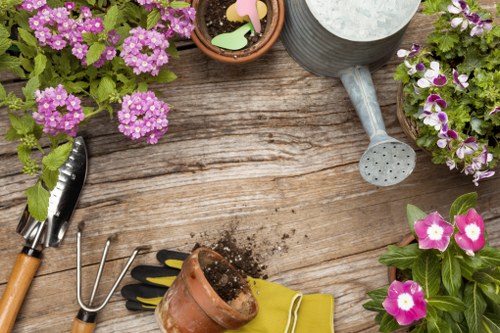 At Gardeners Bethnal Green, recycling and sustainability are built into the way we work every day. From routine garden clearances to ongoing maintenance, our approach is designed to reduce waste, recover useful materials, and keep green jobs as environmentally responsible as possible. We aim to support a recycling percentage target of 85% across suitable green waste and reusable materials, helping ensure that most collected organic matter is diverted from disposal and returned to productive use. In practice, this means separating garden waste carefully, identifying salvageable items, and using the most efficient local routes for sorting and recovery. For a busy area like Bethnal Green, where outdoor spaces are often compact and mixed-use, a well-organised recycling process matters just as much as the gardening itself.
Our recycling methods reflect the wider borough approach to waste separation, where residents and services are encouraged to sort materials responsibly and keep contamination low. Green waste, soil, timber, plant cuttings, and metal fixtures are handled according to the material type, so they can be sent to the most appropriate processing stream. We also make light use of local knowledge about how different borough collection systems operate, especially where rules for mixed recycling, compostables, and bulky green waste can vary slightly. By aligning our practices with this local framework, gardening recycling in Bethnal Green becomes simpler, cleaner, and more effective.
Another important part of our sustainability approach is the use of local transfer stations. These facilities help consolidate sorted waste and route it efficiently onward for composting, reuse, or specialist recycling. By choosing nearby transfer stations when possible, we reduce transport distances and cut avoidable emissions from the journey between site and processing destination.  That matters in East London, where traffic density can increase fuel use and where careful route planning can make a meaningful difference. The result is a greener service that supports both the local environment and the wider circular economy.
We also place strong emphasis on partnerships with charities and community organisations. Usable materials such as terracotta pots, clean timber, decorative containers, and some garden furniture components may be directed to charitable reuse channels where appropriate. This helps keep items in circulation for longer and supports local groups that benefit from affordable or donated materials. In some cases, plants and surplus supplies from larger projects can be matched with community gardens or volunteer-led growing spaces. These partnerships are a practical extension of our sustainable work, turning potential waste into resources that can still serve a purpose.
 Our low-carbon vans are another key part of the plan. These vehicles are selected to reduce emissions on local journeys, which is especially important when moving between multiple small jobs in and around Bethnal Green. Lower fuel consumption, smoother driving performance, and smarter load planning all contribute to a smaller carbon footprint. Where possible, we group collections to avoid unnecessary trips and keep routes short. This helps us carry out recycling-focused garden services without creating excessive transport impact, and it supports a more responsible model for urban garden care.
In the context of local gardening work, recycling is not only about disposing of waste correctly; it is also about understanding what can be reused at the source. Branches can be chipped, leaf matter can be composted, and healthy soil can often be retained and improved rather than replaced. Metal edging, fixtures, and some hard landscaping materials can sometimes be separated for scrap recovery, while untreated wood can be directed into appropriate recycling streams. These small decisions add up, especially on larger clearances or regular maintenance visits where material volumes can be significant. That is why sustainability is treated as a working principle rather than an afterthought.
We recognise that borough-led waste separation initiatives can shape expectations across the area, so our methods are designed to fit smoothly alongside them. Whether handling a one-off seasonal tidy-up or a more frequent maintenance schedule, we keep recyclable and compostable materials apart as much as possible. This careful sorting reduces contamination and improves the chance that the collected material will be recovered successfully. It is a simple but effective way to support recycling in Bethnal Green while keeping gardens neat and manageable. We also try to minimise packaging and reduce single-use items wherever practical in our routine work.
Partnerships, transfer stations, and low-carbon transport all work together to form a joined-up sustainability model. Each stage is designed to be efficient: collecting only what is needed, separating materials at source, moving waste through local infrastructure, and prioritising reuse before disposal. In a diverse urban area, that balance is especially valuable because it supports both the immediate appearance of the garden and the long-term health of the wider environment. A more thoughtful system for green waste recycling also helps preserve resources and reduces the pressure on landfill-bound disposal methods.
 For clients who want a garden service with a lighter environmental footprint, our sustainability-first approach offers a practical solution. We focus on responsible material handling, low-emission transport, and collaboration with local recovery and charitable channels where suitable. This helps us meet strong environmental goals without compromising on the quality of the work. Whether the project involves pruning, clearance, replanting, or routine maintenance, we apply the same care to waste handling as we do to the garden itself.
 In every part of our process, Gardeners Bethnal Green aims to make recycling a useful, visible part of sustainable gardening. By setting a clear recycling percentage target, using local transfer stations, working with charities, and operating low-carbon vans, we keep the service aligned with modern environmental standards. Combined with thoughtful waste separation and practical reuse wherever possible, this creates a cleaner and more responsible way to care for gardens across the area. The result is a greener service that respects both the local community and the landscape it helps maintain.