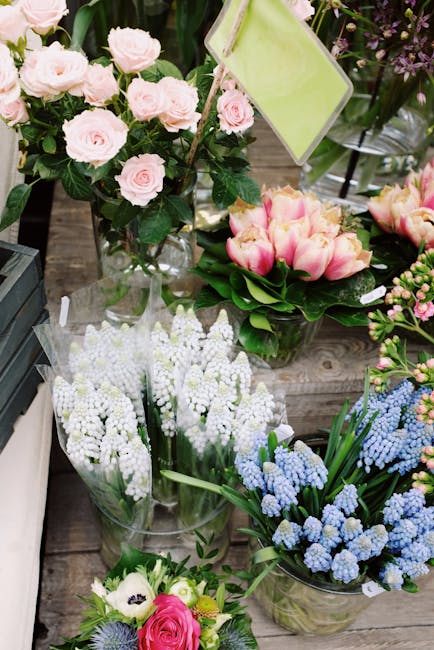
Top rated gardeners for flats around Columbia Road flower market

If you live in a flat near Columbia Road flower market, you already know the appeal: leafy window boxes, a small balcony that catches the morning light, and that constant temptation to bring home one more plant on a Sunday. The catch? Flat gardens are not like back gardens. They need smarter care, lighter-touch maintenance, and gardeners who understand how to work with tight access, shared spaces, wind exposure, and the realities of city living. This guide to Top rated gardeners for flats around Columbia Road flower market explains what good service looks like, how to compare options, and which practical details matter most when space is limited and standards still need to be high.
Whether you want balcony planting, container refreshes, seasonal tidy-ups, or full ongoing maintenance, the right gardener can make even a modest flat feel calm, green, and beautifully put together. Let's be honest: a compact outdoor space can look brilliant or a bit sad very quickly. The difference is usually in the planning.
Why Top rated gardeners for flats around Columbia Road flower market Matters
Columbia Road is a brilliant place to live if you love plants, but it also comes with a very particular kind of gardening challenge. Flats around the market often have balconies, roof terraces, front steps, shared courtyards, and small paved thresholds rather than deep soil beds. That changes everything. A gardener who is excellent in a large suburban garden may not be the right fit for a third-floor balcony with restricted water access and a strict shared building policy. Slightly niche? Yes. Important? Absolutely.
The best flat gardeners understand how to make limited square footage work harder. They think in layers: vertical planting, seasonal rotation, lightweight pots, reliable drainage, and plants that can cope with urban exposure. They also know when to avoid overcomplicating things. In a compact space, too many fussy plants can become a weekly burden. A good gardener simplifies rather than adds chaos.
There is another reason this matters. Flats near Columbia Road often sit in busy, built-up streets where wind tunnel effects, shade from neighbouring buildings, and heat reflected from brickwork can all affect plant health. That means the job is not just to "make it look nice". It is to choose the right species, place them properly, and keep them alive through the season. Not glamorous perhaps, but that is where quality really shows.
If you are new to gardening, a helpful starting point is practical beginner gardening advice, because a small flat garden rewards simple, consistent routines more than ambitious overhauls. And if you are trying to make a limited outdoor area feel more structured, a guide like vertical gardening solutions can be a real eye-opener.
How Top rated gardeners for flats around Columbia Road flower market Works
Flat gardening services usually begin with a quick but careful review of the space. The gardener looks at light levels, wind, access, water supply, drainage, container condition, and the type of planting already in place. In a good service, this is not rushed. A balcony that gets full sun for three hours in the morning behaves very differently from a shaded courtyard that stays damp all week.
From there, the work tends to fall into a few clear patterns:
- Container care: repotting, refreshing compost, checking roots, and replacing tired plants.
- Seasonal planting: choosing flowers, herbs, or foliage that suit the time of year and the light available.
- Regular maintenance: deadheading, watering guidance, pruning, feeding, and tidying.
- Space planning: arranging pots, wall planters, rail planters, and small features so the space feels balanced.
- Problem-solving: dealing with pests, mildew, poor drainage, overwatering, or wind damage.
Top rated gardeners for flats around Columbia Road flower market should also be comfortable with the practical side of city work: carrying materials up stairs, protecting shared hallways, working around neighbours, and leaving everything clean. Truth be told, that last bit matters more than people think. Nobody wants compost crumbs in the lift.
If you want to understand how plant choices can support a flat space, especially where structure is limited, you may find ground cover plant ideas for UK gardens useful, even if you adapt the ideas to containers rather than open borders. For privacy on balconies or terrace edges, a smartly chosen screening solution can help too; see privacy-boosting fast-growing hedges for inspiration.
Key Benefits and Practical Advantages
The biggest benefit is obvious: a better-looking space. But the real value goes deeper than appearance. A skilled flat gardener helps you create a space that is easier to enjoy and easier to maintain, which is the whole point, really.
Here are the practical advantages people usually notice first:
- Better use of limited space: every pot, shelf, and railing can do more with the right layout.
- Healthier plants: fewer losses from overwatering, poor soil, or choosing the wrong species.
- Less stress: you stop wondering whether the balcony looks half-dead every time the weather shifts.
- Seasonal interest: the space changes with the year instead of looking tired by late summer.
- Cleaner presentation: tidier containers, neater edges, and fewer weeds creeping into gaps.
- Better privacy and comfort: especially useful in dense streets where everyone is quite close together.
There is also a lifestyle gain that gets overlooked. A small, well-managed green space can give you a genuine reset after a noisy day. You step out, smell damp compost or fresh herbs, and for a minute the city feels less loud. It sounds simple because it is simple. And that is the beauty of it.
If your goal is a lower-effort setup, explore low-maintenance garden ideas. If your flat has more vertical than horizontal space, vertical gardening ideas are often the most sensible route.
Who This Is For and When It Makes Sense
This kind of gardening support suits a surprisingly wide mix of people. You do not need a grand terrace or a designer balcony. In fact, the people who benefit most are often the ones with awkward little spaces that never quite look right on their own.
- Flat owners who want a polished balcony or terrace without becoming full-time plant managers.
- Renters who need a neat, temporary, and low-risk planting setup.
- Busy professionals who like greenery but do not have time for weekly troubleshooting.
- Older residents who want help with lifting, potting, pruning, and regular care.
- Landlords or managing agents looking after communal front areas or entrance planters.
- Anyone who keeps buying plants from Columbia Road and then wonders where on earth to put them.
It makes sense if you are dealing with one or more of these issues:
- Your balcony plants keep drying out or collapsing after windy spells.
- You have too much shade, or the opposite, full sun that scorches delicate leaves.
- You want a tidy, seasonal refresh before guests arrive or the weather changes.
- You need help making the space child-friendly, pet-friendly, or simply less cluttered.
For pet households, especially in compact outdoor areas, a guide like integrating dogs into your garden oasis offers some useful perspective on balancing beauty with practicality. And if you are planning herbs or edible plants on a balcony, creating a flourishing herb garden is worth a look.
Step-by-Step Guidance
If you are thinking about hiring gardeners for a flat near Columbia Road flower market, here is the cleanest way to approach it.
- Define the space. Measure the balcony, terrace, window boxes, entrance area, or courtyard. Even rough measurements help.
- Decide the main goal. Do you want privacy, colour, herbs, low maintenance, or a complete refresh?
- Assess light and exposure. Note whether the space is sunny, shaded, windy, or sheltered. This matters more than the plant label on the pot.
- Check access and storage. Ask yourself where tools, compost, watering cans, and spare pots will go.
- Request a clear plan. A decent gardener should explain what will be planted, how often it will need care, and what can realistically thrive there.
- Agree a maintenance rhythm. Weekly, fortnightly, or seasonal visits all make sense depending on the setup.
- Review after the first month. Small spaces reveal problems quickly, so early tweaks are normal.
One small but useful habit: take photos before any work starts. A gardener can then see what has changed over time, and you get a simple visual record. Handy if something starts thriving and you want to repeat it, or if something goes a bit sideways. Happens to all of us.
If you are trying to improve a balcony edge, a shaded wall, or a bare fence line, the planting strategy may differ quite a bit. That is where specialist knowledge helps. For example, some spaces respond better to climbers and evergreen structure, which is why evergreen climbers for shady spots can be useful reading before you decide.
Expert Tips for Better Results
A few practical habits separate decent flat gardens from the ones that really hold up through the year.
- Choose the right pots: lightweight containers are often better for upper floors, especially where loading is a concern.
- Prioritise drainage: standing water is a common reason balcony plants fail. Saucers are fine, but they need attention.
- Work with the wind: tuck fragile plants behind sturdier ones and use heavier pots where necessary.
- Keep the palette tight: three or four plant types, repeated well, usually look smarter than twelve mixed ideas.
- Use scent deliberately: herbs, jasmine, lavender, and other fragrant planting can make a tiny space feel luxurious.
- Refresh compost regularly: container plants need nutrients because they cannot forage the way ground-planted ones can.
For gardeners who like a neat, productive setup, composting is a quiet superpower. A good refresh with the right mix can change the whole feel of a container, which is why composting kitchen scraps into garden gold is such a useful concept in city gardening. Also, do not forget that weather protection matters in exposed streets. The article on guarding your garden against harsh weather is especially relevant for higher-level flats.
And yes, it is worth asking a gardener how they handle watering schedules in hot spells. On a July afternoon, a south-facing balcony can dry out almost before you have finished your tea. Slight exaggeration. But only slight.
Common Mistakes to Avoid
Flat gardening usually goes wrong in predictable ways. The good news is that most of them are easy to avoid once you know what to look for.
- Buying plants for looks only: a plant can look beautiful in the market and still be a terrible fit for your light and wind conditions.
- Overcrowding: too many pots make a small space look busy rather than lush.
- Ignoring weight: especially on balconies, the load of heavy planters, wet compost, and stones adds up.
- Not planning for winter: tender plants can collapse fast once temperatures drop and the air gets harsher.
- Using the wrong watering routine: a little and often is not always best; some pots need deep watering, then a dry spell.
- Forgetting upkeep access: if you cannot reach the back corner without leaning over a rail, that corner will become a problem.
People also make the mistake of treating a balcony like a mini-version of a full garden. It is not. It is its own little ecosystem. That means your gardener should think in layers: plant choice, container choice, access, weather, and routine. Miss one of those, and the whole thing can wobble.
For practical help with plant selection and space planning, it is sensible to read up on simple container routines through container gardening tips. If weeds are sneaking into gaps or planters are collecting debris, weed control tips can help you keep things under control without turning it into a weekend chore.
Tools, Resources and Recommendations
A good flat gardener usually works with a lighter, more precise kit than someone maintaining a large lawn or border. The exact tools vary, but the essentials are pretty consistent.
| Tool or resource | Why it matters | Best use in a flat garden |
|---|---|---|
| Lightweight pots | Reduce load and make rearranging easier | Balconies, roof terraces, shared entrances |
| Moisture-retentive compost | Helps plants cope with drying wind and summer heat | Containers that dry quickly |
| Compact secateurs | Useful for shaping herbs, deadheading, and trimming | Regular tidy-up visits |
| Vertical planters | Make the most of walls and railings | Very small flats with limited floor space |
| Seasonal planting plan | Keeps the space looking alive through the year | Balconies that need continuous colour |
If your flat garden is mainly decorative, you may want a gardener who is strong on design and maintenance. If you want more edible planting, look for someone who can support herbs, salad leaves, and compact crops. A reading point such as preparing a vegetable garden for fall plantings can help you think about seasonality even in containers.
For those who like calm, structured, almost meditative spaces, a simple design idea from creating a serene zen garden can translate surprisingly well to flat balconies. A few carefully chosen stones, one sculptural plant, and a clean layout can do a lot.
Law, Compliance, Standards, or Best Practice
Flat gardening in London is partly about horticulture and partly about being a good neighbour. You may not need formal permission for every plant pot, but you do need to think about building rules, access, safety, and shared responsibility. That is the ordinary reality of living in a block of flats, especially around busy and tightly packed streets like those near Columbia Road.
Best practice usually includes the following:
- Respecting lease or building rules: shared balconies, corridors, and entrances may have restrictions on storage, drainage, or plant placement.
- Keeping walkways clear: pots, tools, and bags should never obstruct entrances or emergency routes.
- Managing water runoff: excess water should not spill onto lower balconies or communal areas.
- Using safe working methods: particularly where ladders, roof access, or heavy lifting may be involved.
- Checking insurance and safety procedures: sensible gardeners should be able to explain how they work safely in shared spaces.
If you are hiring professional help, it is reasonable to ask about their insurance and safety approach, their payment process, and their terms before work begins. Those details are not boring paperwork; they are part of a trustworthy service. You can also review pages like insurance and safety, payment and security, and terms and conditions if you want to understand the basics before booking.
For general service expectations and what ongoing support can include, the site's garden maintenance overview is useful, and if you are comparing broader scope options, the main gardening services page can help frame the conversation.
Options, Methods, or Comparison Table
Not every flat needs the same type of gardener. Some people need a one-off rescue mission. Others need regular light maintenance. Here is a straightforward comparison to help you think it through.
| Approach | Best for | Pros | Watch-outs |
|---|---|---|---|
| One-off tidy and refresh | Overgrown planters, tired displays, seasonal reset | Fast, visible improvement | Needs follow-up to stay looking good |
| Regular maintenance visit | Busy residents and ongoing display planting | Reliable, easier to manage long term | Requires consistent scheduling |
| Design-led balcony planting | People starting from scratch | Strong visual result, better layout | May cost more upfront |
| Low-maintenance container scheme | Renters or time-poor households | Easy to live with, less work | Can look sparse if underplanned |
In our experience, the best flat gardens usually mix methods. A design-led first visit, then regular maintenance, tends to give the most stable results. If you want a simpler or more budget-conscious setup, this can be paired with low-maintenance budget ideas so the finish looks polished without becoming a chore.
Case Study or Real-World Example
Imagine a two-bedroom flat a short walk from Columbia Road, with a narrow balcony facing a busy street and a small sheltered corner near the kitchen window. The owners like plants, but they have a busy week, and the balcony has become a jumble of half-used pots, dried stems, and one very determined but slightly lopsided olive tree.
A top rated flat gardener would probably begin by clearing the clutter, checking the drainage in each pot, and deciding which plants deserve a second chance. The next step might be to group the space into zones: one section for scent and herbs, one for structural planting, and one for easy seasonal colour. The olive tree might stay, but moved to a stronger position where it gets more light and less constant wind. A couple of heavy ceramic pots could anchor the layout, while lighter planters handle the smaller herbs and flowers.
The result is not just prettier. It is calmer. The space feels intentional, which is often what flat owners are actually after. They do not need a jungle. They need a space that feels like it belongs to them, and that is a very different thing.
One small detail makes a big difference here: the gardener leaves a watering note. Just three lines, really. What to water often, what to leave alone, and which plant is likely to sulk if ignored. That tiny bit of guidance saves a lot of guesswork later.
Practical Checklist
Use this checklist before you book or brief a gardener for a flat near Columbia Road flower market.
- Measure the space and note access points, stairs, or lift restrictions.
- List your goals: colour, privacy, herbs, tidiness, low maintenance, or seasonal change.
- Track sun and shade through the day if possible.
- Check wind exposure, especially on upper floors.
- Ask about container weight and whether materials suit your building setup.
- Confirm watering expectations and whether irrigation or hand watering is more practical.
- Review safety and insurance details if any work involves ladders, awkward access, or shared areas.
- Set a maintenance rhythm that you can actually keep up with.
- Choose plants for the real conditions, not just the photos.
- Plan for the next season instead of only the current one.
If you want a cleaner outdoor finish as part of the job, services such as patio cleaning and lawn care can be relevant in the broader home-garden picture, though flats often use them less than houses do. For structural work around boundaries or screening, fencing and hedge trimming in Bethnal Green may also be worth discussing if your space includes shared edges or planted screens.
Conclusion
Finding top rated gardeners for flats around Columbia Road flower market is really about matching expertise to the space. A flat garden needs careful plant choice, tidy maintenance, and a realistic understanding of how city spaces behave. The right gardener will not just fill pots. They will create a small outdoor environment that feels settled, resilient, and genuinely enjoyable to use.
If you are comparing options, focus on practicality first: access, wind, light, drainage, maintenance rhythm, and whether the gardener understands compact urban planting. When those basics are right, the rest tends to fall into place. And if you are unsure where to start, that is perfectly normal. A lot of lovely flat gardens begin with a small clean-up, one good planting decision, and a bit of patience. Sometimes that is enough.
Get a free quote today and see how much you can save.
If you would like to speak with a local gardening team and outline your flat, balcony, or terrace needs, the simplest next step is to get in touch about your project. A short conversation can save a lot of trial and error later on.
A good flat garden should feel like a breath of fresh air when you step outside. Small space, yes. Small possibility? Not at all.
Frequently Asked Questions
What makes a gardener "top rated" for flat spaces near Columbia Road?
Usually it means they understand compact planting, container maintenance, access issues, and the realities of urban exposure. In flat spaces, experience matters more than flashy promises.
Can gardeners work on balconies and roof terraces in flats?
Yes, provided the access is safe and the building allows it. A good gardener will check weight, drainage, and practical access before starting work.
How often should a flat garden be maintained?
That depends on the planting style. Simple container displays may only need seasonal visits, while mixed balconies with herbs and flowering plants often benefit from more regular care.
What plants are best for small balconies around Columbia Road?
It depends on sun, shade, and wind, but many people do well with herbs, compact flowering plants, evergreen structure, and climbers where vertical space is available.
Is flat gardening more expensive than regular garden maintenance?
Not always. Smaller spaces can be cheaper to maintain, but custom planters, difficult access, or design work can increase the cost. The scope matters more than the postcode, to be fair.
Can a gardener help make a flat garden more private?
Yes. Screening plants, trellis planting, strategic pot placement, and vertical growth can all improve privacy without making the space feel closed in.
What should I ask before hiring someone for my flat garden?
Ask about experience with balconies or terraces, watering plans, plant choices, insurance, access requirements, and how they handle windy or shaded sites.
Do I need permission to add plants or pots to a balcony?
Sometimes building rules or lease terms can affect what you can place on a balcony, especially where weight, drainage, or appearance are concerned. It is sensible to check before major changes.
Can a gardener help if my plants keep dying?
Yes, and this is very common in flat settings. The problem is often not the gardener's skill but a mismatch between plant choice and the conditions on site.
Are low-maintenance flat gardens still possible near a busy market area?
Absolutely. In fact, low-maintenance design is often the smartest choice in busy urban areas. The key is choosing resilient plants, sensible containers, and a layout that is easy to keep tidy.
What is the best time of year to start improving a flat garden?
Spring and early autumn are often the most flexible times, but you can improve a flat garden year-round. The exact timing depends on what you want to plant and how exposed the space is.
How do I get started if I only have a tiny window box or narrow ledge?
Start small. Pick one or two strong ideas, such as herbs or trailing flowers, and build from there. A tiny space can still look thoughtful and elegant, which is half the battle anyway.