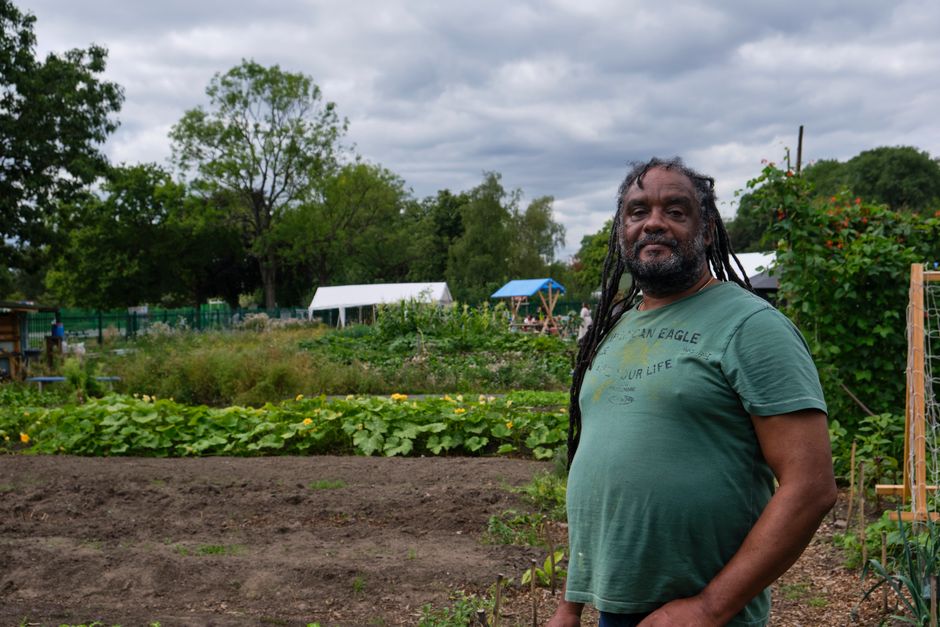
Local gardeners for Weavers Fields shared green spaces
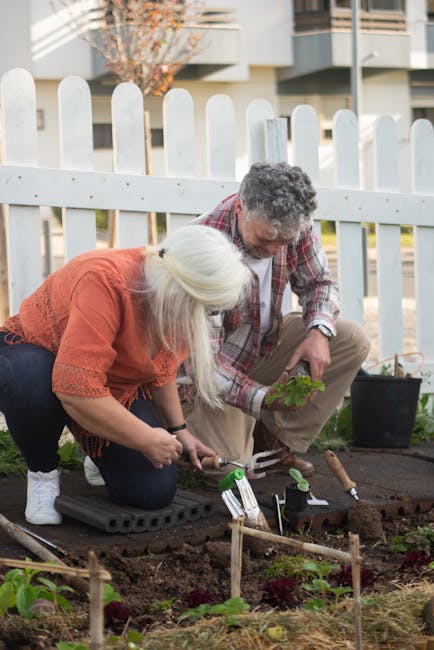
If you help look after a courtyard, communal bed, pocket park, or residents' garden near Weavers Fields, you already know the truth: shared green space looks simple from a distance, but it needs steady hands, sensible planning, and people who actually understand how local spaces are used day to day. That is where local gardeners for Weavers Fields shared green spaces can make a real difference. The right gardener does more than mow, prune, and tidy. They help a space stay welcoming, safe, resilient, and genuinely enjoyed by the people around it.
This guide breaks down how shared garden maintenance works, what to expect, how to choose the right support, and where mistakes usually happen. If you are weighing up regular upkeep, seasonal planting, or a one-off rescue job after things have got a bit out of hand, you will find practical advice here. And yes, we will keep it grounded. No fluff, no vague promises, just useful detail that helps you make a better decision.
One more thing: in a shared space, the best gardening is often the kind you barely notice. The beds are healthy, the paths feel tidy, the edges are clear, and everyone gets on with enjoying the place. That quiet success? That is usually the result of good local care.
- Why local gardeners for Weavers Fields shared green spaces matters
- How it works
- Key benefits and practical advantages
- Who this is for and when it makes sense
- Step-by-step guidance
- Expert tips for better results
- Common mistakes to avoid
- Tools, resources and recommendations
- Law, compliance, standards, or best practice
- Options, methods, or comparison table
- Case study or real-world example
- Practical checklist
- Frequently asked questions
Why Local gardeners for Weavers Fields shared green spaces Matters
Shared green spaces are a bit different from private gardens. They are used by more people, often for more purposes, and they tend to need more coordination. In and around Weavers Fields, that can mean everything from small communal planting areas to larger resident-managed spaces where footfall, litter, shade, drainage, and seasonal wear all affect how the garden feels. A patch that looked fine in April can be scruffy by July if nobody is managing it properly. Happens all the time.
Local gardeners bring practical familiarity. They tend to understand the pace of the neighbourhood, the types of planting that cope well with London conditions, and the realities of working around residents, visitors, and limited access. That local context matters because the aim is not just to make a space look good for one day. It is to keep it functioning across the year.
There is also a community side to this. A well-kept shared space can quietly improve how people use a building or estate. It can encourage people to step outside, sit a little longer, talk to neighbours, and treat the area with more care. To be fair, people do notice when somewhere is looked after.
In a busy urban setting, the garden becomes part of the everyday environment. Not a luxury. A lived-in space. And when maintenance is done well, it supports that feeling without demanding attention.
How Local gardeners for Weavers Fields shared green spaces Works
The process usually starts with a walk-through. A good gardener will look at what is actually there: soil condition, planting density, sunlight, drainage, access routes, bins, walls, fences, irrigation, and signs of wear. In shared spaces, this first look is important because it reveals what the space needs beyond the obvious tidy-up. A plant bed may look overgrown, but the real issue could be poor soil, compacted ground, or simply a mismatch between the planting and the amount of shade.
From there, the work is usually split into tasks and frequency. Some areas need weekly attention in the growing season. Others benefit from fortnightly or monthly visits, plus a seasonal reset. The key is rhythm. One-off work can help, but regular care prevents the slow drift into neglect that shared gardens often suffer from.
Typical tasks might include border care, hedge trimming, deadheading, weed control, leaf clearance, pruning, mulching, lawn care, and planting refreshes. In many communal settings, gardeners also help with soft management tasks: keeping paths clear, reducing trip hazards, and making sure nothing is blocking views or entrances. Small details, but they matter.
If residents or a managing agent are involved, there may be a simple approval process for changes. That might sound tedious. Sometimes it is. But in a shared setting, it avoids the awkward moment when one person loves the new planting scheme and another wonders why the lavender has disappeared. A bit of agreement up front saves headaches later.
For many people, the best arrangement is a maintenance plan that includes routine visits and seasonal work. It is more predictable, easier to budget for, and less likely to leave the space swinging between overgrown and stripped-back.
Key Benefits and Practical Advantages
The benefits of using local gardeners for shared green spaces are practical first, aesthetic second. The beauty follows the care, not the other way round.
- Consistency: Regular maintenance keeps the space under control, rather than relying on occasional rescue work.
- Local responsiveness: Nearby gardeners can often visit more easily when weather, growth spurts, or unexpected issues call for quick attention.
- Better plant choices: Local knowledge helps identify plants that cope with shade, pollution, dry spells, and heavy use.
- Cleaner presentation: A neat shared area tends to feel safer and more welcoming, especially around entrances and paths.
- Reduced friction: Clear maintenance routines make it easier to manage expectations between residents, landlords, or committees.
- Long-term value: Healthy planting and proper seasonal work usually cost less than repeated fixes after neglect.
There is another benefit people often overlook: a gardener can spot problems early. A failed plant, compacted soil, broken edging, poor drainage, or a pest issue is much easier to deal with when caught early. Leave it too long and the fix becomes more expensive, more disruptive, and frankly more annoying.
Expert summary: In shared gardens, the best result is usually not the fanciest planting scheme. It is the one that matches how people actually use the space, how much time the team has, and how the site behaves through the seasons.
Who This Is For and When It Makes Sense
Not every green space needs the same level of care. Some just need tidy monthly upkeep. Others need a more hands-on gardener who can manage growth, improve planting structure, and keep the space presentable through peak season.
This kind of service makes sense if you are:
- a resident committee managing a shared courtyard or garden
- a landlord or property manager responsible for communal grounds
- a housing association or estate team looking for reliable upkeep
- a business with a small outdoor communal area that needs regular presentation
- a local group trying to keep a community plot or shared planting area healthy
It is especially useful if the space has recurring issues, such as weeds coming back fast, patchy lawns, overhanging shrubs, or planting that looked good at installation but has not aged well. Truth be told, some shared spaces are only one skipped season away from looking tired.
You may also need local gardeners if volunteers are doing their best but the work has become too much. Volunteers are brilliant. Really. But volunteer energy is not the same as a maintenance plan. A professional can support the effort, fill the gaps, and keep things realistic.
On the other hand, if the space is tiny, low-use, and already simple to manage, you may only need a few seasonal visits rather than an ongoing contract. It is worth being honest about that. There is no trophy for over-servicing a garden.
Step-by-Step Guidance
If you are organising gardening support for a shared space near Weavers Fields, a structured approach will save time and stress. Here is the sensible way to do it.
1. Walk the site properly
Start by identifying what the space really needs. Look at sun and shade, problem spots, access points, wet areas, and the condition of existing planting. Take a few photos. They are surprisingly helpful when comparing options later.
2. Separate urgent work from ongoing work
There is usually a difference between "needs attention now" and "needs a system". Urgent work might be clearing overgrowth, restoring edges, or making a path safer. Ongoing work might involve weeding, pruning, watering support, and planting review.
3. Decide who signs off changes
Shared spaces can get messy when nobody is sure who approves what. Choose one person, or a small group, to make decisions. That avoids delays and mixed messages. Nobody enjoys the committee email chain. Nobody.
4. Ask for a realistic maintenance plan
Good gardeners should be able to explain what they would do weekly, monthly, and seasonally. If the plan sounds vague, that is a warning sign. You want specifics: which areas, which tasks, how often, and what seasonal changes are expected.
5. Set a budget with some breathing room
Gardens rarely behave exactly as expected. A dry spell, a wet spring, or a burst of weed growth can change the workload. Leave a little flexibility if you can. It makes the whole arrangement less brittle.
6. Agree on communication
Simple updates work best. A short note after visits, a quick flag for issues, or a seasonal review is often enough. Over-communication can become background noise; under-communication creates surprises. There is a middle path, thankfully.
7. Review after the first few visits
Once the routine starts, check whether the work is matching the space. Are the right areas being prioritised? Are residents happy? Is the planting improving? A small review early on can prevent a year of mild frustration.
Expert Tips for Better Results
Good shared-space gardening is not just about keeping plants alive. It is about making the whole site easier to care for. That sounds simple, but it is where the best results come from.
Choose resilient planting. For spaces with regular foot traffic, go for plants that can handle real life. Pick a mix of structure and seasonal colour, but avoid schemes that need constant fussing unless you genuinely have the budget and time.
Make edging clear. Clean lines between beds, paths, and lawn areas make a space feel maintained even before anyone notices the planting. It is a small thing, but it changes the whole look.
Use mulch wisely. Mulch helps with moisture retention and weed control, and it gives beds a finished feel. It also reduces the endless battle with surface weeds. Not glamorous, but very useful.
Think in layers. Taller shrubs, mid-level planting, and groundcover can create a stronger, more stable look than a bed full of isolated features. It usually ages better too.
Plan for people, not just plants. In a shared space, someone will cut across a bed, lean a bike somewhere odd, or place bags where they should not be. Design and maintenance should account for that reality rather than pretending it won't happen.
Keep some flexibility for seasonal change. A space that looks neat in spring may need a different approach by late summer. That is normal. If the gardener adapts, the garden stays fresh without feeling over-managed.
And one practical bit of advice from experience: if the space has a stubborn problem area, tackle that first. Once people see improvement in the worst corner, trust tends to follow. Funny how that works.
Common Mistakes to Avoid
Shared gardens often go wrong in predictable ways. The good news is that most of them are avoidable.
- Hiring purely on price: Cheap can become expensive if the work is inconsistent or unfinished.
- Expecting one-off visits to solve everything: Sometimes a reset helps, but maintenance is what keeps things good.
- Ignoring access issues: If tools, bins, gates, or parking are awkward, tell the gardener early.
- Overcomplicating the planting scheme: Fancy planting is lovely, but not if nobody can maintain it properly.
- Skipping clear responsibilities: If nobody knows who approves work, delays and confusion creep in fast.
- Forgetting seasonal change: Gardens evolve. A plan that works in April may not work in August.
- Underestimating water needs: Young plants, containers, and sunny spots need more attention than people often expect.
One of the biggest mistakes is treating a shared green space like a private back garden. It simply is not the same thing. More people, more use, more opinions, more wear. Slightly more patience too, ideally.
Tools, Resources and Recommendations
You do not need a huge toolkit to manage a shared garden properly, but the right equipment makes a big difference. A competent gardener will usually bring the basics, while the site owner or manager may need to provide access to water, storage, or waste arrangements.
| Tool or resource | Why it helps | Best used for |
|---|---|---|
| Sectateurs and loppers | Clean pruning and light shaping | Hedges, shrubs, dead growth |
| Mulch or compost | Improves soil and suppresses weeds | Beds, borders, seasonal refreshes |
| Hand weeding tools | Precise removal around plants | Patio edges, tight beds, planters |
| Leaf rake and blower | Helps clear paths and lawn surfaces | Autumn maintenance, path care |
| Watering cans or hose access | Keeps young plants and containers healthy | Hot spells, newly planted areas |
| Site notes or a simple maintenance log | Keeps decisions clear over time | Shared spaces with multiple stakeholders |
For recommendations, look for gardeners who can explain not just what they will do, but why. A clear explanation of plant choices, seasonal timing, and problem areas is a good sign. So is someone who notices the small stuff: a loose edge, compacted soil, or a bed that never quite gets enough light.
If you are already working with a wider property or grounds team, it can help to make sure garden maintenance sits comfortably alongside other services you use. For broader support around premises upkeep, you may also want to review the wider maintenance approach on the site and see how local services are typically structured.
Law, Compliance, Standards, or Best Practice
For shared green spaces, the main focus is usually best practice rather than heavy regulation, but there are still sensible standards to follow. That includes safe access, responsible use of equipment, and avoiding work that creates hazards for residents or visitors.
In practical terms, good practice usually means:
- keeping paths and entrances clear
- managing overgrowth before it blocks sightlines or access
- using tools safely and storing them appropriately
- handling waste and green debris responsibly
- checking whether any plants or features need special care around children, pets, or accessibility routes
If the space is part of a managed property, there may also be landlord, leasehold, or estate rules that affect what can be changed. That could include planting alterations, hard landscaping, access times, or waste removal arrangements. It is wise to confirm those details before making bigger changes.
Best practice also includes keeping records of visits, agreed tasks, and any notable issues. Nothing fancy. Just enough to show what has been done and what needs attention next. That habit can save a lot of "I thought someone else was dealing with it" moments.
And yes, if a site has uneven paving, slippery moss, or a tricky access route, it is worth flagging early. Safety first sounds like a slogan, but in shared spaces it is just sensible.
Options, Methods, or Comparison Table
Different shared spaces need different levels of support. Here is a simple way to compare the most common approaches.
| Approach | Best for | Pros | Limitations |
|---|---|---|---|
| One-off tidy-up | Neglected or seasonal reset | Fast visual improvement, easy to book | Does not prevent regrowth or ongoing decline |
| Regular maintenance visits | Communal gardens needing steady care | Consistent presentation, fewer surprises | Requires an ongoing budget and coordination |
| Seasonal overhaul | Spaces needing planting refresh or redesign | Can fix deeper issues and improve layout | More disruptive and often more expensive |
| Volunteer-supported care | Community-led spaces with some budget limits | Strong local engagement, flexible effort | Can be uneven without professional support |
For many Weavers Fields shared spaces, a blended model works best: a professional gardener for the core maintenance, with residents or site users contributing light support where appropriate. That gives you consistency without taking away the community feel.
Case Study or Real-World Example
Imagine a small shared courtyard near Weavers Fields with a couple of raised beds, some shrubs, a narrow path, and a sitting area that residents actually use in warmer months. On paper, it does not sound like much. In reality, it has a few classic issues: weeds at the edges, one bed that dries out too quickly, a shrub line that has started to block the path, and a general sense that the space looks "nearly cared for" rather than properly maintained.
The first step is a walk-through to separate cosmetic issues from structural ones. The path needs clearing and edging. The bed that dries out needs mulching and a planting review. The overgrown shrubs need selective pruning, not a hard cut that would leave the space looking bare. A few plants may need replacing with hardier options.
After that, the gardener sets a simple rhythm: one weekly visit during the growing season, then lighter maintenance in autumn and winter. Residents notice the change quickly. The path feels wider, the beds look cleaner, and the whole courtyard stops looking like a "project" and starts feeling like part of the building again. No drama. Just better care.
What worked here was not a clever trick. It was matching the gardening plan to the way the space was used. That is usually the turning point in shared spaces, honestly.
Practical Checklist
Use this checklist before hiring or briefing a gardener for a shared space near Weavers Fields.
- Site understood: Has someone walked the space and noted problem areas?
- Access confirmed: Are gates, keys, water access, and parking sorted?
- Tasks listed: Do you know what needs doing weekly, monthly, and seasonally?
- Decision maker named: Who approves changes and signs off on work?
- Budget set: Is there enough room for seasonal variation?
- Planting realistic: Does the planting suit local conditions and the level of care available?
- Waste plan agreed: Where will clippings, leaves, and green waste go?
- Communication agreed: How will updates and issues be reported?
- Safety considered: Are paths, steps, and access points clear?
- Review date booked: Have you planned a check-in after the first few visits?
If you can tick most of those boxes, you are in a good place. If not, sort the basics first. It saves money, time, and a fair bit of back-and-forth later.
Get a free quote today and see how much you can save.
Conclusion
Shared green spaces only really thrive when the maintenance matches the reality of the site. That is the heart of it. Local gardeners for Weavers Fields shared green spaces bring practical know-how, local responsiveness, and the kind of steady upkeep that turns a decent communal area into one people are happy to use. Not perfect. Just cared for, which is better.
If you are responsible for a courtyard, communal bed, estate garden, or residents' outdoor space, the next sensible step is simple: assess the site honestly, decide what level of support it needs, and look for a gardener who understands both plants and people. That combination matters more than most people think.
And if the space has been looking a bit tired lately, do not panic. Most shared gardens can be brought back with the right rhythm, a little patience, and the right local help. It is often more doable than it first seems.
Frequently Asked Questions
What do local gardeners for Weavers Fields shared green spaces usually do?
They typically handle regular upkeep such as weeding, pruning, border care, planting refreshes, lawn maintenance, and seasonal tidy-ups. In shared spaces, they may also help keep paths clear and reduce small hazards.
How often should a shared garden be maintained?
It depends on the size, planting style, and use of the space. Many communal gardens benefit from weekly or fortnightly visits during the growing season, then lighter seasonal maintenance in colder months.
Is a one-off tidy-up enough for a communal garden?
Sometimes a one-off visit is useful if the space is badly overgrown, but ongoing maintenance is usually what keeps the area looking good. Without follow-up, weeds and growth tend to return quickly.
How do I know if I need a gardener or a grounds maintenance team?
If the work is mainly planting, pruning, border care, and garden presentation, a gardener is usually the better fit. If the site has broader external upkeep needs, you may need a wider maintenance approach.
What should I ask before hiring someone for a shared green space?
Ask what tasks they will do, how often they will visit, how they handle waste, what access they need, and how they report issues. A clear plan matters more than a vague promise to "keep it tidy".
Can volunteers and professional gardeners work together?
Yes, and often that is the best arrangement. Volunteers can support light tasks and community engagement, while a professional handles the more technical, regular, or physically demanding work.
What are the most common problems in shared gardens?
Common issues include uneven maintenance, unclear responsibility, fast weed regrowth, poor planting choices, compacted soil, access problems, and disagreement about what should be changed.
Do local gardeners help with seasonal planting in Weavers Fields areas?
They can. Seasonal planting is often one of the best ways to keep a shared space looking fresh, especially if the existing scheme is tired or not coping well with the site conditions.
How can I keep costs under control?
Choose a maintenance plan that fits the space rather than over-specifying it. Clear priorities, sensible planting, and regular upkeep usually cost less over time than emergency clean-ups.
Are there any compliance issues to think about?
Usually the main concerns are access, safety, waste handling, and any property-specific rules. If the garden is part of a managed building or estate, check whether there are restrictions before making larger changes.
What makes a gardener a good fit for a shared space?
A good fit is someone who communicates clearly, understands shared-use priorities, notices small issues early, and can balance appearance with practicality. They should sound grounded, not overpromising.
When is the best time to start improving a shared green space?
Any time is better than waiting for "the perfect moment", but spring and early autumn are often good points for planting, restructuring, or resetting maintenance routines. That said, a tidy-up in mid-season can make a big difference too.